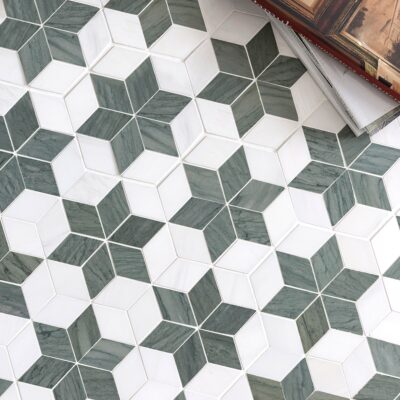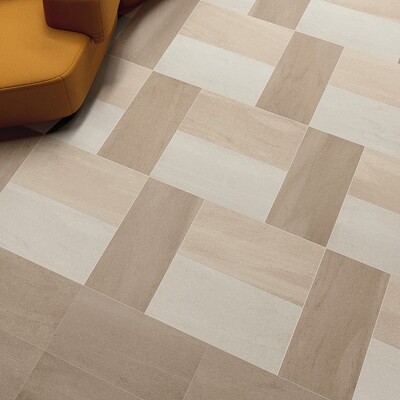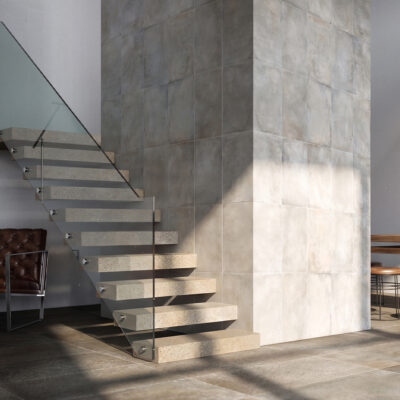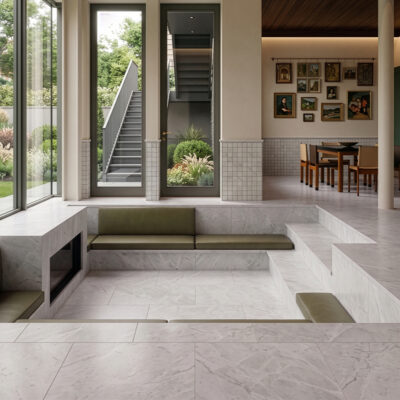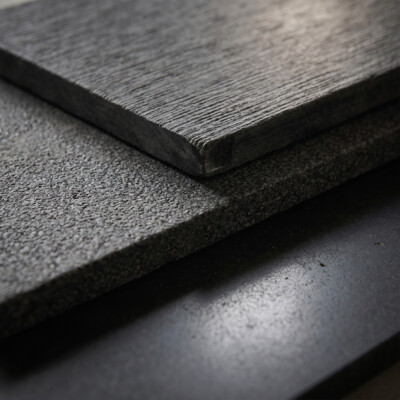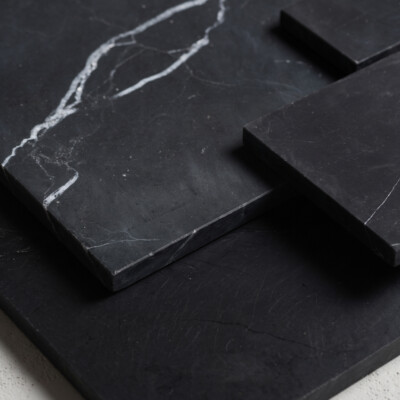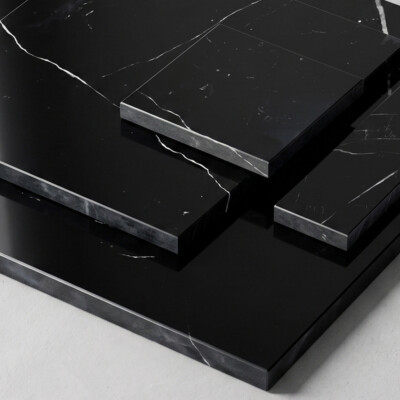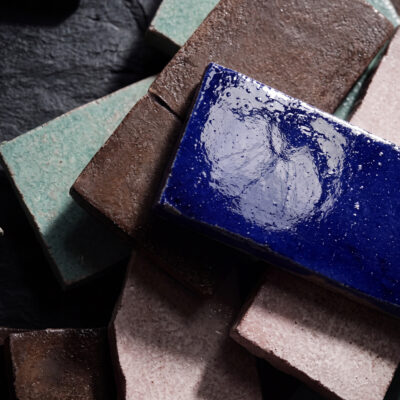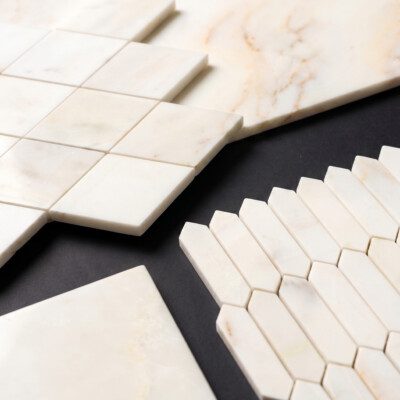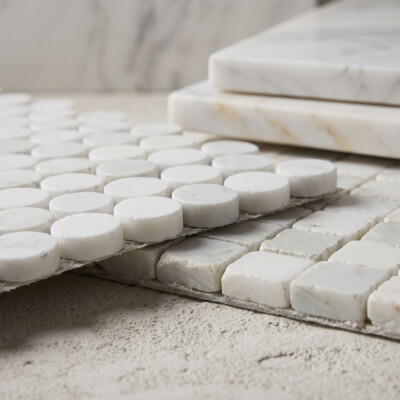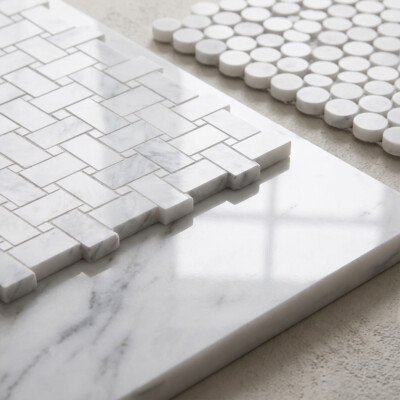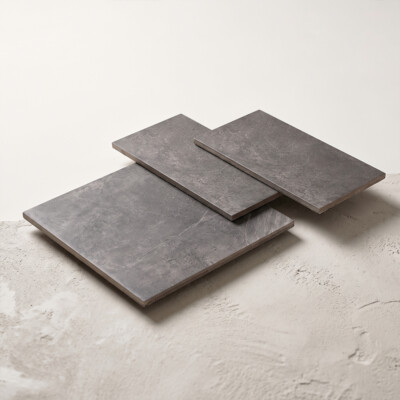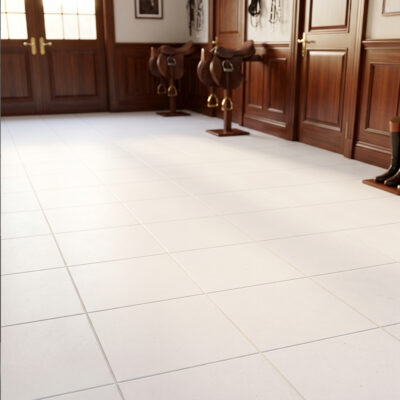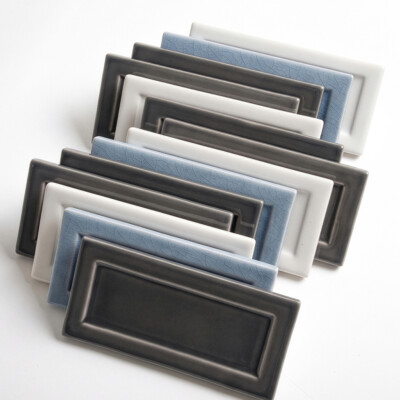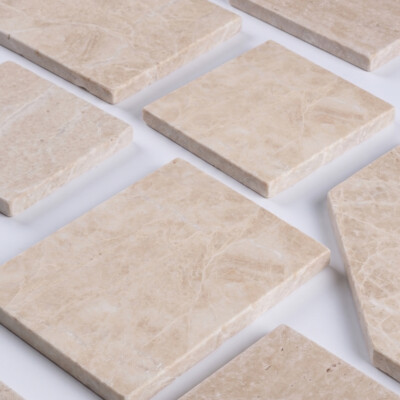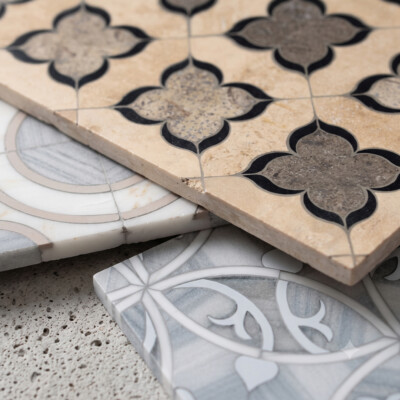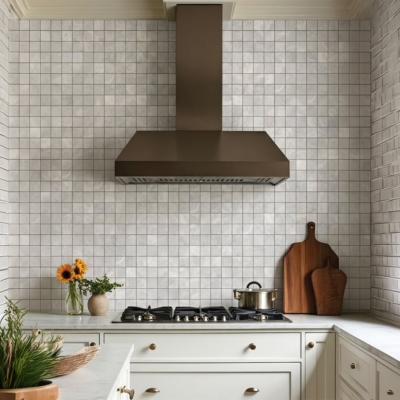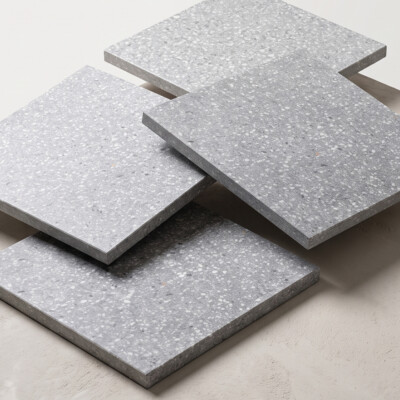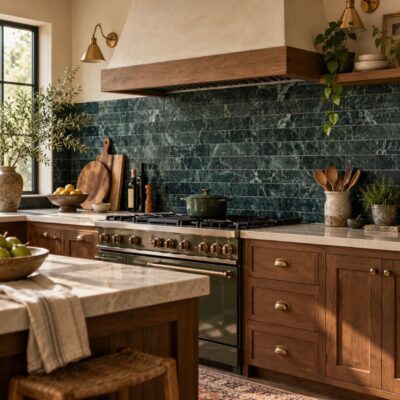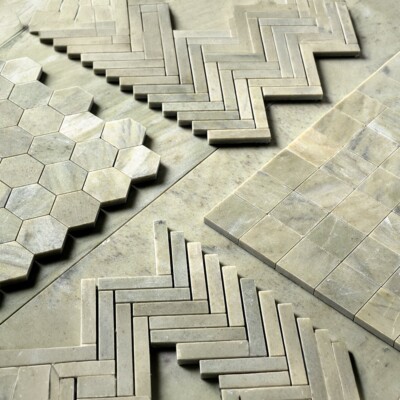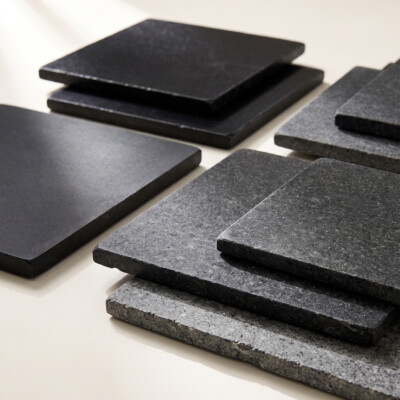
Absolute Black Granite
black, tile, granite

Discover curated Marble Systems collections, compare materials and find the right surface for your project.
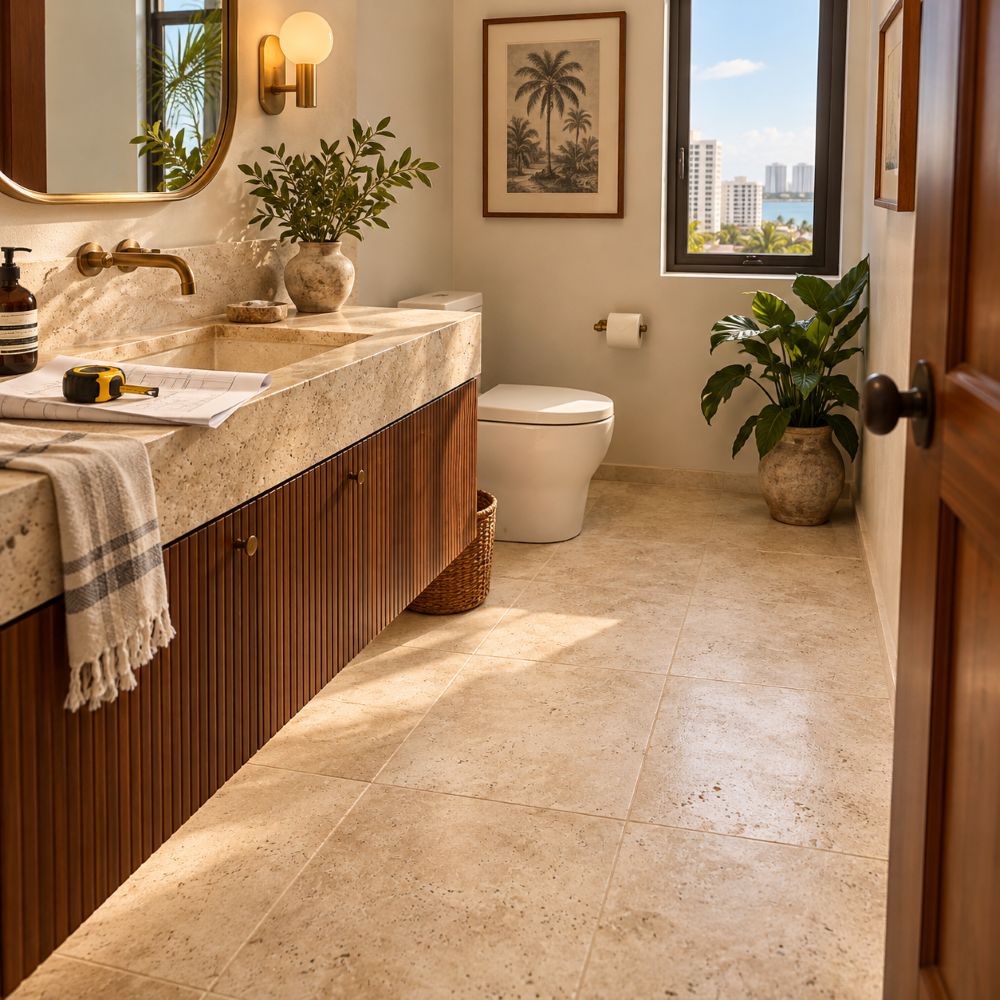
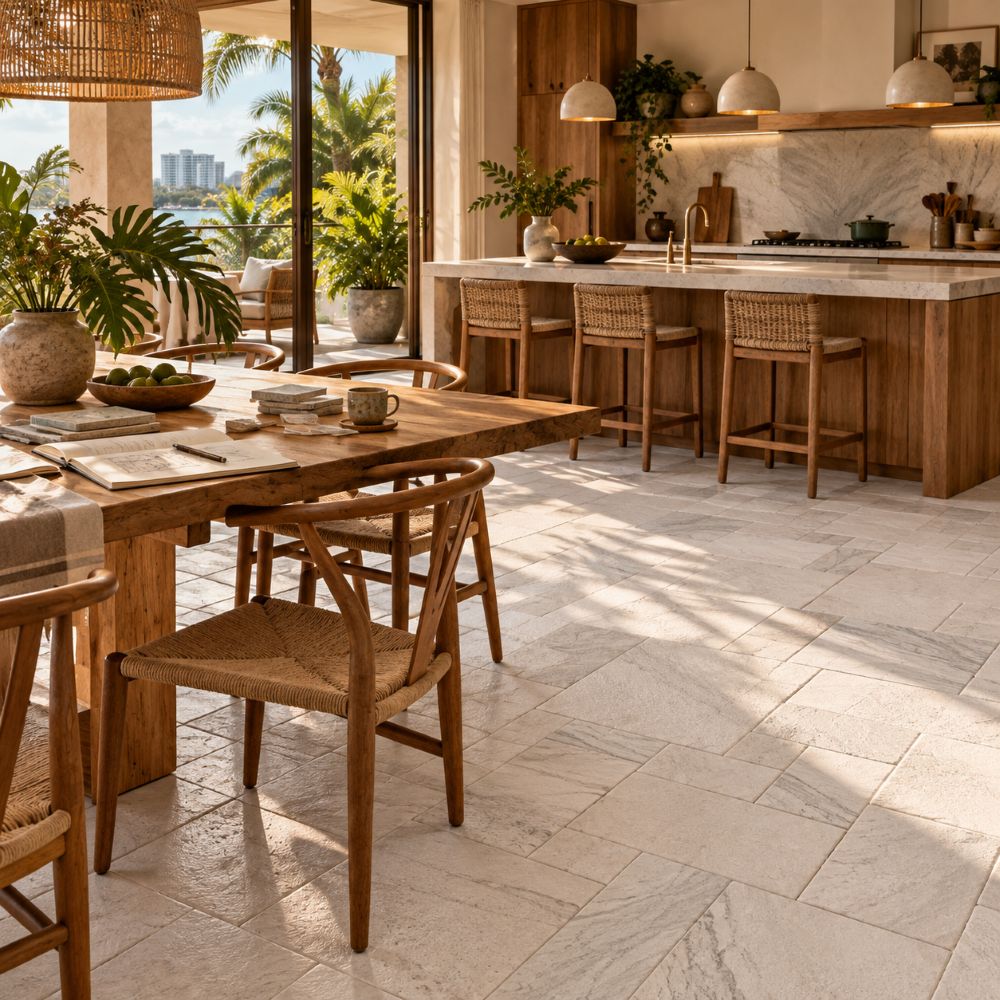
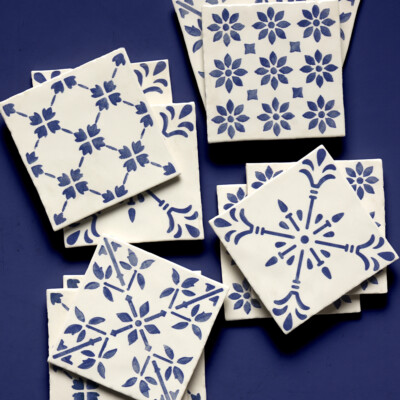
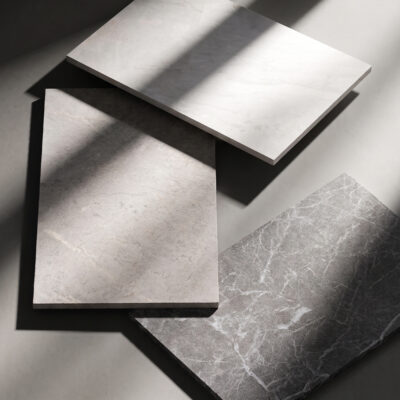
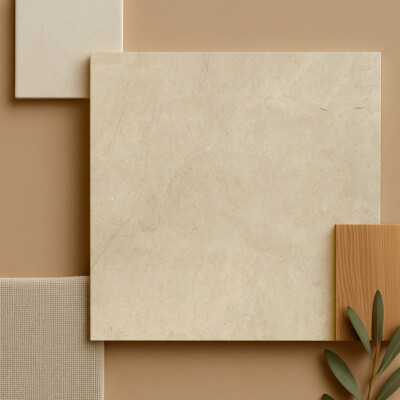
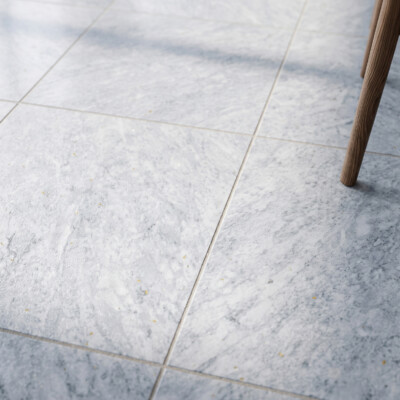
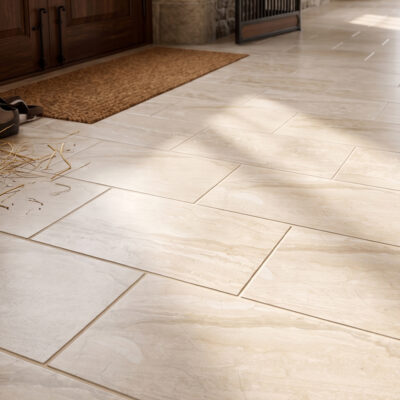
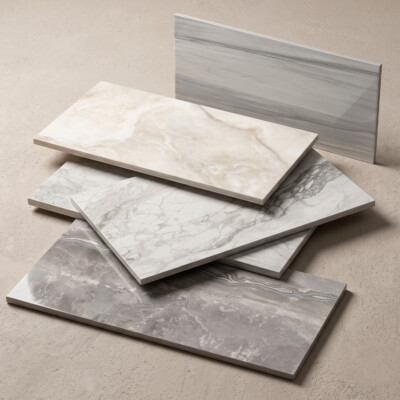
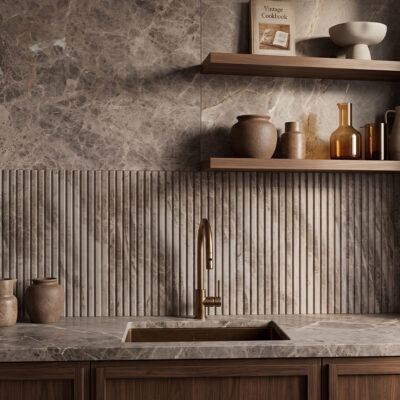
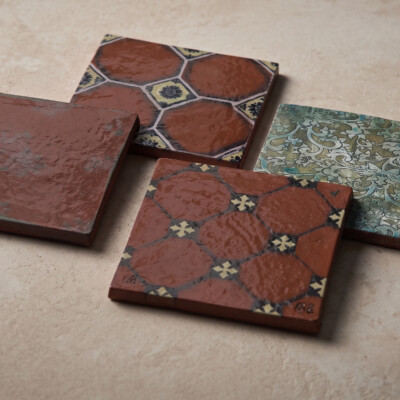
harming its surface is part of owning a material that breathes. I have spent 30 years working with stone in humid climates, and almost everything you will see here is surface deep and fixable. How to Clean Mildew From Natural Stone 01 of 13 Black Spots, Green Film or White Powder? Identify What’s on Your Stone Black or gray specks in grout lines and shower corners are mildew. A slick green film on shaded pavers is algae. A dry white dust along the joints is efflorescence, mineral salts pushed up by moisture from below. Clients usually assume all three are stains inside the stone, but in reality none of them lives there, and each asks for a different fix. Look at the spot in daylight before you reach for any bottle. 02 of 13 Why Natural Stone Gets Moldy in San Juan’s Humid Climate San Juan’s monthly average humidity runs from about 74% in March to 81% in late fall, with roughly 60 inches of rain a year that peaks in November. Stone here simply stays damp longer. We see it most in the shaded interior courtyards of Old San Juan, the windowless bathrooms of older Condado towers and ocean-facing balconies in Ocean Park, where wind driven rain rarely dries before the next shower. 03 of 13 Know Your Stone Before You Clean Marble tile, travertine tile, limestone tile and terrazzo tile contain calcium carbonate, so acids etch them. Slate tile and basalt tile handle acids better but still deserve neutral cleaners. Glazed ceramic tile, porcelain tile and glass tile resist absorption, yet their grout molds just as fast, while unglazed terracotta tile needs routine resealing. Most suppliers hand over one care sheet; we ask which stone sits in which room, because one cleaner for the whole house is how etching starts. 04 of 13 How to Clean Mildew From Natural Stone Indoors The Natural Stone Institute suggests half a cup of bleach, ammonia or hydrogen peroxide in a gallon of water for biological stains, and you must never mix bleach with ammonia. Test a hidden corner, apply with a soft brush, rinse and dry. In a bathroom with stone floors, a squeegee after every shower does more than any product. In a kitchen with a stone backsplash, check the seam behind the sink first. If you would rather bring color to the shower walls, most glazed bathroom wall tile options from our sister brand Country Floors need no sealing, which leaves only the grout to watch. 05 of 13 How to Clean Mold From Grout Between Stone Tiles Grout holds water longer than the stone around it, so it shows mildew first. The most common mistake we see is scrubbing marble mosaic tiles with a wire brush and scratching every small piece; a nylon brush and the diluted solution are enough. Give the flat tops of shower thresholds and stone corner shelves the same attention, because water sits there longest. 06 of 13 How to Remove Algae From a Stone Patio or Pool Deck On outdoor stone floors, flush with clear water, then use a mild bleach solution and a soft brush, keeping runoff away from plants and out of the pool.Clients often think a pressure washer is the fastest fix, but on tumbled stone pavers high pressure can rough up the surface, so go low and test first. Shaded pool copings and the north side of a pool and spa deck grow algae first. Damp, shaded stone is exactly where growth takes hold, which is why porosity and drying time matter so much when choosing stone for a patio in hot, humid weather. 07 of 13 White Powder on Your Stone Floor? Dealing With Efflorescence Efflorescence often appears on new installations and on a living room stone floor that opens onto a terrace. Sweep or vacuum it dry; water only dissolves the salts and brings them back. If it keeps returning after the floor has had months to dry, something is feeding it moisture, such as a slow leak, a balcony without proper slope or a damp slab underneath. 08 of 13 Is Bleach Safe for Marble and Travertine? Cleaning Mistakes to Avoid Diluted bleach, used occasionally and rinsed well, is generally safe, though it can lighten some darker stones.The real damage comes from vinegar, lemon, acidic tile cleaners and rust removers that contain hydrofluoric acid, which attacks even granite. Customers usually think a dull patch is a stain, but in reality it is an etch, and no cleaner will lift it. Never seal stone that is still damp, or you will trap a white haze inside. 09 of 13 How to Prevent Mold on Outdoor Stone in Humid Weather Prevention comes down to drainage, airflow and habit: decks should slope away from the house, leaves get swept weekly and bathroom fans should run after every shower. Sealing improves stain resistance but does not stop mildew.A good seal still matters, though, and knowing how to tell when stone needs resealing keeps moisture from soaking in between cleanings. Bathrooms and kitchens wear down sealer at different rates, so how often to seal marble in each room depends on how much water and traffic the surface sees. Fewer grout lines help too: large format stone tiles, a full stone slab on shower walls, well fitted stone moldings and a stone sink with a sealed rim leave water fewer places to hide. 10 of 13 Choosing Stone Colors That Hide Everyday Moisture Color changes what you notice. White powder shows most on black stone, gray stone, blue stone and bronze tones, while mildew stands out in grout beside white marble tile and beige stone. Warm brown tile, yellow stone tile and red tile, or veined green tile and multicolor blends, soften light marks between cleanings, which matters in a busy Condado rental. 11 of 13 A Seasonal Natural Stone Care Routine for San Juan Homes Plan deep cleaning and resealing for February through April, when San Juan is at its driest. Before hurricane season opens on June 1, clear drains and check slopes. On summer days when Saharan dust settles over the island, rinse outdoor stone before the dust mixes with morning dew into grime. After the heavy November rains, look for green on shaded pavers and white along the joints. 12 of 13 When to Call a Stone Professional If mildew returns to the same spot within days, water is likely getting behind the stone. Persistent efflorescence, flooding after a storm and etched, dull areas that need honing are all jobs for a professional. In older condo buildings, a hidden leak can also reach the unit below, which is why waterproofing and old supply lines sit near the top of the list of what to check before renovating a condo bathroom. 13 of 13 Get Natural Stone Care Advice in San Juan If you have been searching for a “tile store near me” to make sense of a stubborn mark, bring a photo or a loose piece to our San Juan tile showroom at 302 José De Diego Ave. Our team will tell you what you are looking at, which cleaner suits that stone and how to keep its character for decades. A free design consultation is part of every visit. FAQ Will sealing my natural stone stop mildew from coming back? No, sealing makes natural stone more stain resistant, but only good drainage, airflow and regular cleaning keep mildew from returning. Can I use vinegar to clean mildew from natural stone? No, vinegar is acidic and can etch marble, travertine and limestone, so use a pH-neutral cleaner or a diluted bleach solution tested on a hidden spot instead. Why does white powder come back after I wash my stone floor? Water dissolves efflorescence salts and carries them back to the surface, so sweep or vacuum the powder dry and have the moisture source checked if it keeps returning.
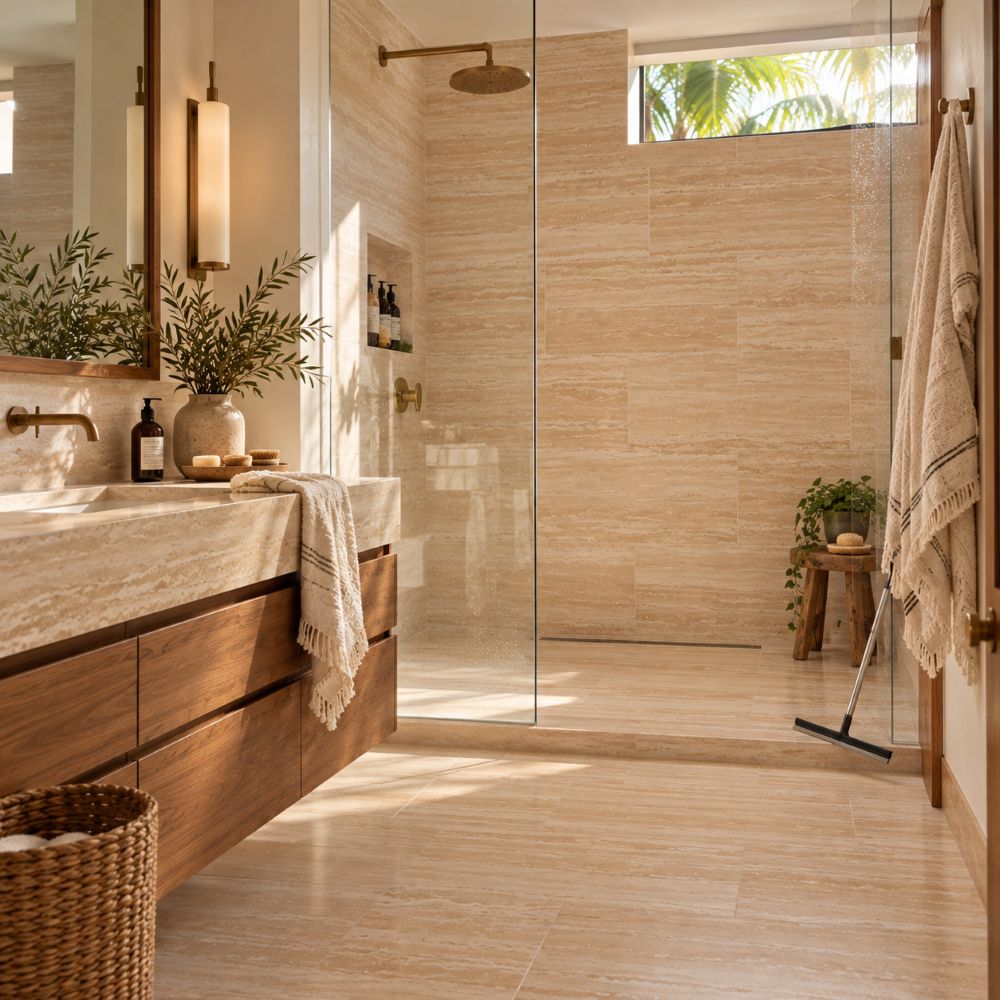
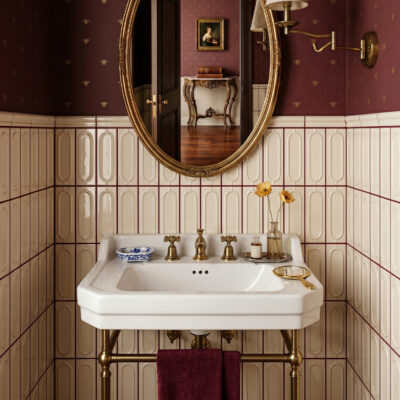
Everything architects, designers and project teams need to know about sourcing, specifying and installing collection — material characteristics, recommended applications and long-term care from Marble Systems.